
Why Start a Vegetable Garden
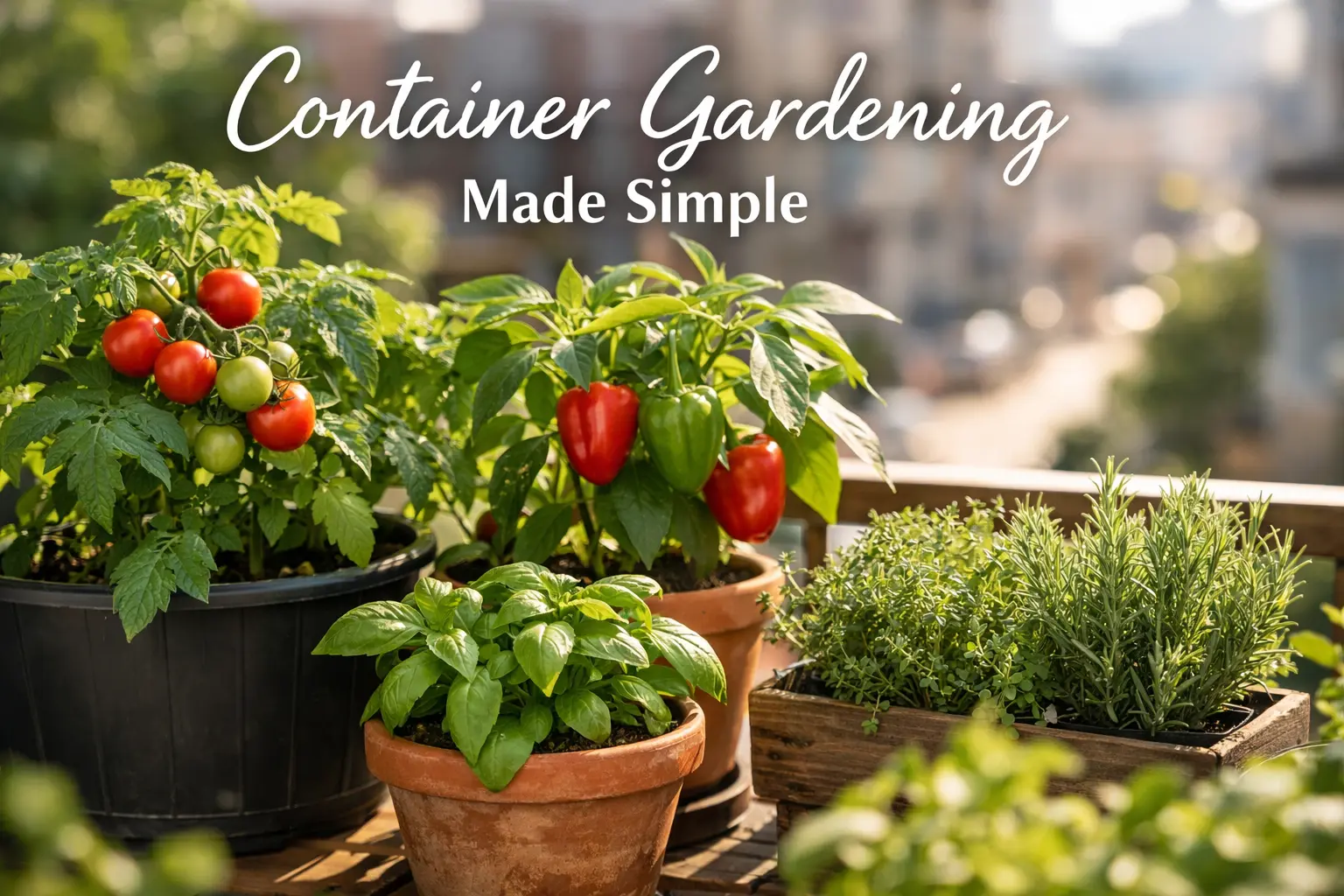
Growing your own vegetables saves money and gives you fresher, tastier produce. A small garden can fit in a backyard, balcony, or even containers.
This guide walks through practical steps to plan, plant, and maintain a productive vegetable garden for beginners.
Choose a Location for Your Vegetable Garden

Pick a spot with at least six hours of direct sunlight for most vegetables. Sunlight is the single most important factor for yield.
Consider proximity to water, ease of access, and protection from strong winds or animals.
Sunlight and Shade for Vegetable Gardening
Full sun means 6–8 hours daily. Leafy greens tolerate partial shade, while tomatoes and peppers need full sun.

If only shady spots are available, focus on lettuces, kale, and herbs that need less direct light.
Prepare Soil and Choose Beds
Good soil structure matters more than fancy fertilizers. Aim for loose, well-draining soil rich in organic matter.
Raised beds and containers warm faster in spring and give better drainage. They are ideal for beginners.
How to Improve Garden Soil
- Add 2–4 inches of compost annually to improve fertility and structure.
- Mix in aged manure or leaf mold for additional nutrients.
- Use a soil test kit to check pH and basic nutrients; adjust only if necessary.
Plan What to Plant

Start with easy, high-reward crops: lettuce, radishes, green beans, cherry tomatoes, and herbs. These provide quick results and keep motivation high.
Choose varieties labeled “disease-resistant” and suited to your climate zone.
Crop Selection Tips for Vegetable Gardening
- Plant what you will eat: avoid exotic plants you won’t use.
- Start small: a 4×6 foot bed can feed a couple of people for summer.
- Mix short- and long-season crops to spread harvests over months.
Sowing Seeds and Transplanting Seedlings
Follow seed packet directions for depth and spacing. Crowding plants reduces airflow and increases disease risk.
Transplant seedlings on a cloudy day or in evening to reduce transplant shock.
Timing and Succession Planting
Succession planting means sowing small amounts of seeds every 2–3 weeks. This avoids a single glut and gives continuous harvests.
Use a simple calendar: plan early spring, mid-summer, and fall plantings for cool-season crops.
Watering and Feeding Your Vegetable Garden
Water deeply and less often to encourage strong root growth. Aim for consistent moisture, especially during fruit set.
Mulch reduces evaporation and suppresses weeds. Use straw, shredded leaves, or compost as a 2–3 inch mulch layer.
Fertilizer Basics for Vegetable Gardening
- Start with compost; add balanced organic fertilizer if growth is slow.
- Side-dress heavy feeders like tomatoes with compost or a nitrogen-rich feed during the season.
- Avoid over-fertilizing, which can produce lush foliage but poor fruiting.
Pest and Disease Management
Monitor plants weekly. Early detection prevents small problems from becoming major losses.
Use cultural controls first: crop rotation, proper spacing, and removing infected plants.
Simple Organic Pest Controls
- Handpick caterpillars and beetles in the morning.
- Use row covers early in the season to block pests from young plants.
- Encourage beneficial insects by planting flowers like calendula and alyssum.
Harvesting and Storage
Harvest regularly to encourage more production. Pick tomatoes when they are fully colored and slightly soft.
Store greens in a cool spot and use root crops like carrots and beets in a cool cellar or refrigerator crisper.
Simple Case Study: First-Year Raised Bed Success
Sarah, a beginner gardener, built a 4×8 raised bed in her urban backyard. She filled it with a mix of topsoil and compost and planted a mix of cherry tomatoes, bush beans, lettuce, and basil.
By following a watering schedule and adding compost mid-season, she harvested fresh salads weekly and saved nearly $100 on store-bought produce in her first summer.
Even a single 2×2 foot container can produce enough herbs for a household. Herbs like basil and parsley are high-yield and low-maintenance for beginners.
Quick Checklist to Start Your Vegetable Garden
- Choose a sunny, accessible location.
- Decide on beds or containers and prepare soil with compost.
- Select easy crops and plan succession planting.
- Water deeply, mulch, and monitor for pests weekly.
- Harvest regularly and keep notes for next season.
Final Tips for Vegetable Gardening Beginners
Keep a simple journal: note planting dates, varieties, and outcomes. Small adjustments year to year dramatically improve results.
Start small, be consistent, and learn by doing. Vegetable gardening rewards patience and regular care.